
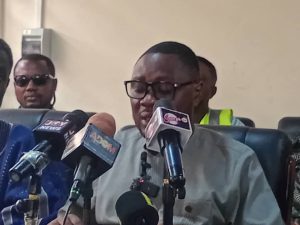
Cape Coast, Ghana – The Metropolitan Chief Executive (MCE) for the Cape Coast Metropolis, Hon. George Justice Arthur, has engaged members of the media to provide an update on the devastating floods that recently hit the metropolis and to outline decisive measures being taken by the Assembly to prevent future disasters.
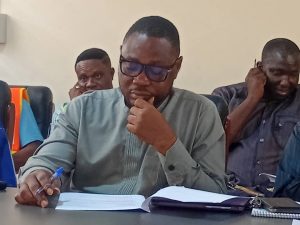
Speaking at a media briefing, Hon. Arthur disclosed that on Friday, June 19, 2026, the Cape Coast Metropolis experienced an intense rainfall that lasted for approximately eight hours, from 10:00 a.m. to 5:00 p.m., resulting in widespread flooding. The rains persisted intermittently until Sunday, June 21, 2026, worsening the situation in many communities.
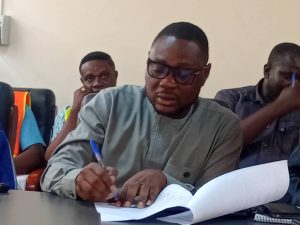
According to the MCE, the floodwaters affected several parts of the metropolis, including Ekon, Abura, the University of Cape Coast (UCC) and its environs, Ameen Sangari, DVLA/Nokaans, Eyifua, Mpeasem, Adisadel, Nkanfoa, Asenadze, and other communities that had never previously experienced flooding.
The disaster, he noted, led to the collapse of ten (10) houses, most of which were old mud structures. Tragically, four (4) people lost their lives, including three children, while one person remains missing. Additionally, eight (8) victims sustained critical injuries and are currently receiving treatment at the Ewim Polyclinic and the Cape Coast Teaching Hospital.
Hon. Arthur further revealed that the floods displaced 2,929 residents, leaving many families in urgent need of shelter and other humanitarian assistance.
Following the disaster, management of the Cape Coast Metropolitan Assembly held an emergency meeting to assess the extent of the damage and deliberate on practical measures to address the flooding challenge and reduce future risks.
The MCE identified several major factors that contributed to the flooding. These include the absence of a comprehensive drainage master plan, which has resulted in narrow and inadequate drains across the metropolis; the existence of numerous ageing mud buildings, many estimated to be between 100 and 250 years old, making them highly susceptible to collapse during heavy rains; the construction of structures on waterways, obstructing the free flow of stormwater; and the indiscriminate disposal of solid waste into drains and unauthorized dumping sites, causing blockages and worsening flood conditions.
As part of the Assembly’s response, Hon. George Justice Arthur announced the formation of two committees to implement immediate and long-term interventions.
The first committee has been tasked with the identification and demolition of dilapidated structures across the metropolis. The committee is expected to inspect old and unsafe buildings, identify those that pose a threat to lives and property, and recommend appropriate action to prevent similar tragedies in the future.
The MCE indicated that details of the committee’s membership and mandate would be communicated accordingly, while the second committee will focus on additional interventions aimed at addressing the root causes of flooding in the metropolis.
Hon. Arthur appealed to residents to support the Assembly’s efforts by refraining from dumping refuse into gutters and waterways, complying with building regulations, and cooperating with authorities during demolition exercises and other flood mitigation initiatives.
He expressed his heartfelt condolences to the bereaved families, wished the injured a speedy recovery, and assured affected residents that the Metropolitan Assembly, together with its partners, remains committed to providing relief support while implementing sustainable solutions to protect lives and property.
The MCE reiterated that the Assembly is determined to ensure that Cape Coast becomes a safer and more resilient city through improved drainage infrastructure, strict enforcement of planning regulations, environmental sanitation, and proactive disaster management.
